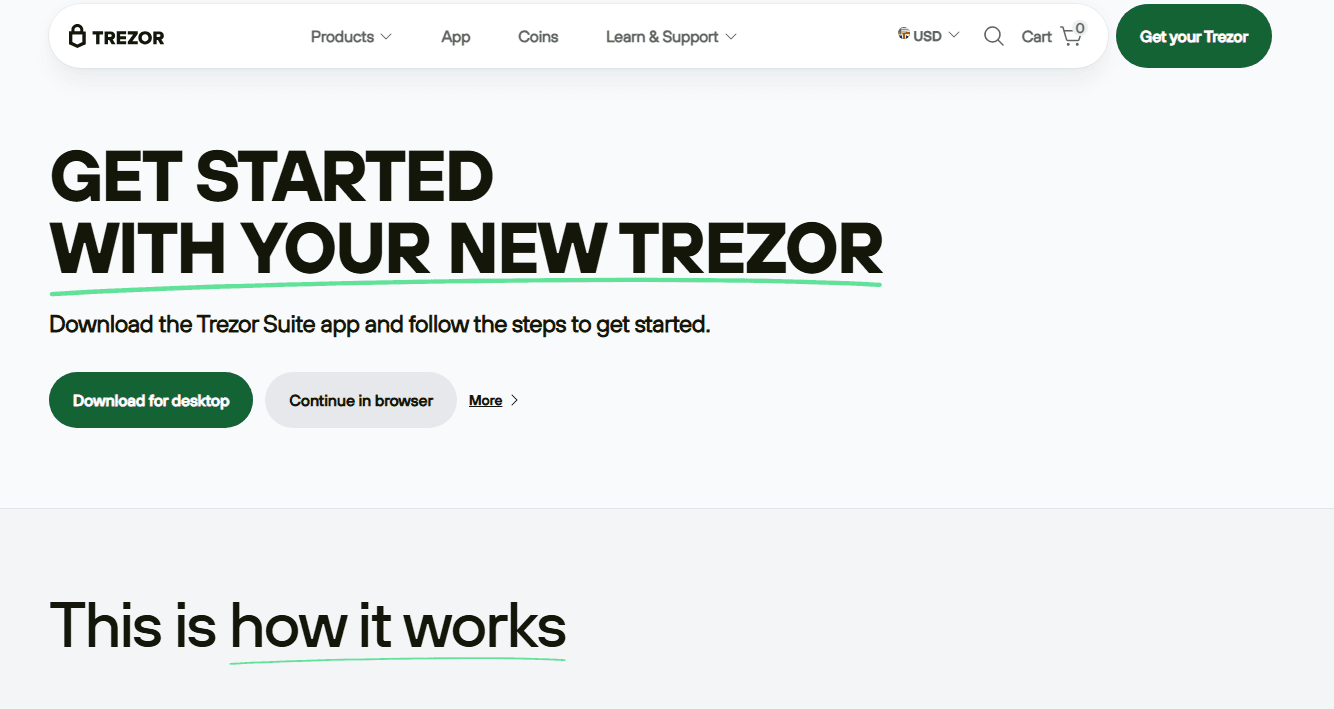
Trezor.io/Start: A Secure Beginning for Hardware Wallet Users
As cryptocurrency adoption continues to expand, protecting digital assets has become a serious responsibility for every investor. Unlike traditional financial systems, crypto ownership depends entirely on private keys, and losing them can mean losing funds permanently. Hardware wallets are widely regarded as one of the safest ways to store cryptocurrencies, and Trezor is among the most trusted names in this space. The official setup process begins at Trezor.io/start, which guides users step by step through securing their device.
This article explains the role of Trezor.io/start, the setup process, and how users can ensure their wallet is configured safely from the very beginning.
The Role of Trezor.io/Start in Wallet Security
Trezor.io/start is designed as the official onboarding platform for Trezor hardware wallets. Its primary purpose is to help users initialize their devices correctly while avoiding security risks such as fake software, compromised firmware, or improper wallet creation.
By following the official instructions, users can be confident that their wallet setup follows best security practices and that their private keys remain fully under their control.
Inspecting the Device Before Initialization
Before starting the setup, users should carefully examine the Trezor device and its packaging. A new Trezor wallet arrives sealed and should never come with pre-installed settings or recovery phrases. Any signs of tampering, damage, or prior use should be treated as a serious warning.
Once the device has been verified as authentic, it can be connected to a compatible computer or mobile device to begin the setup process.
Firmware Setup and Verification
Firmware is the internal software that allows the Trezor device to function securely. During the first-time setup, users are guided through installing or confirming the latest official firmware version.
This step is essential because it:
Ensures the device runs genuine software
Protects against known vulnerabilities
Confirms the device has not been altered
Keeping firmware up to date is a critical part of maintaining long-term wallet security.
Creating a Secure Wallet Environment
After firmware verification, the next step is wallet creation. During this stage, the Trezor device generates private keys internally. These keys never leave the hardware wallet and are never exposed to the internet or the connected computer.
This offline key generation is one of the main reasons hardware wallets offer superior protection compared to software wallets, which are vulnerable to malware and hacking attempts.
Recovery Seed: Your Ultimate Backup
One of the most important steps during setup is generating the recovery seed phrase. This phrase consists of a specific number of randomly generated words that serve as the only backup for the wallet.
Key facts about the recovery seed:
It allows full recovery of funds if the device is lost or damaged
Anyone who knows the phrase can access the wallet
It should only be written down and stored offline
Users should never store the recovery seed digitally or share it with anyone under any circumstances.
Protecting the Wallet with a PIN Code
To prevent unauthorized physical access, users are required to set a PIN code. This PIN must be entered whenever the device is connected and used, ensuring that stolen or misplaced devices cannot be easily accessed.
Advantages of using a PIN include:
Protection against theft
Blocking unauthorized transactions
Strengthening overall device security
Choosing a unique and difficult-to-guess PIN significantly enhances protection.
Using the Wallet After Setup
Once the setup process is complete, users can begin managing their cryptocurrency holdings. Trezor wallets support many popular digital assets and allow users to send, receive, and store funds securely.
Every transaction must be confirmed directly on the hardware wallet’s screen. This physical confirmation ensures that even if the connected computer is compromised, unauthorized transactions cannot be completed.
Maintaining Security Over Time
Proper setup is only the first step. To keep assets safe over time, users should follow ongoing security practices, including:
Storing the recovery seed in a secure, offline location
Updating firmware when new versions are released
Avoiding suspicious software and untrusted devices
Using the wallet only on secure systems
These habits help protect digital assets from both online and physical threats.
Conclusion
Trezor.io/start provides a reliable and secure foundation for setting up a Trezor hardware wallet. By guiding users through firmware installation, wallet creation, recovery seed backup, and PIN protection, it ensures that digital assets are secured from the start.