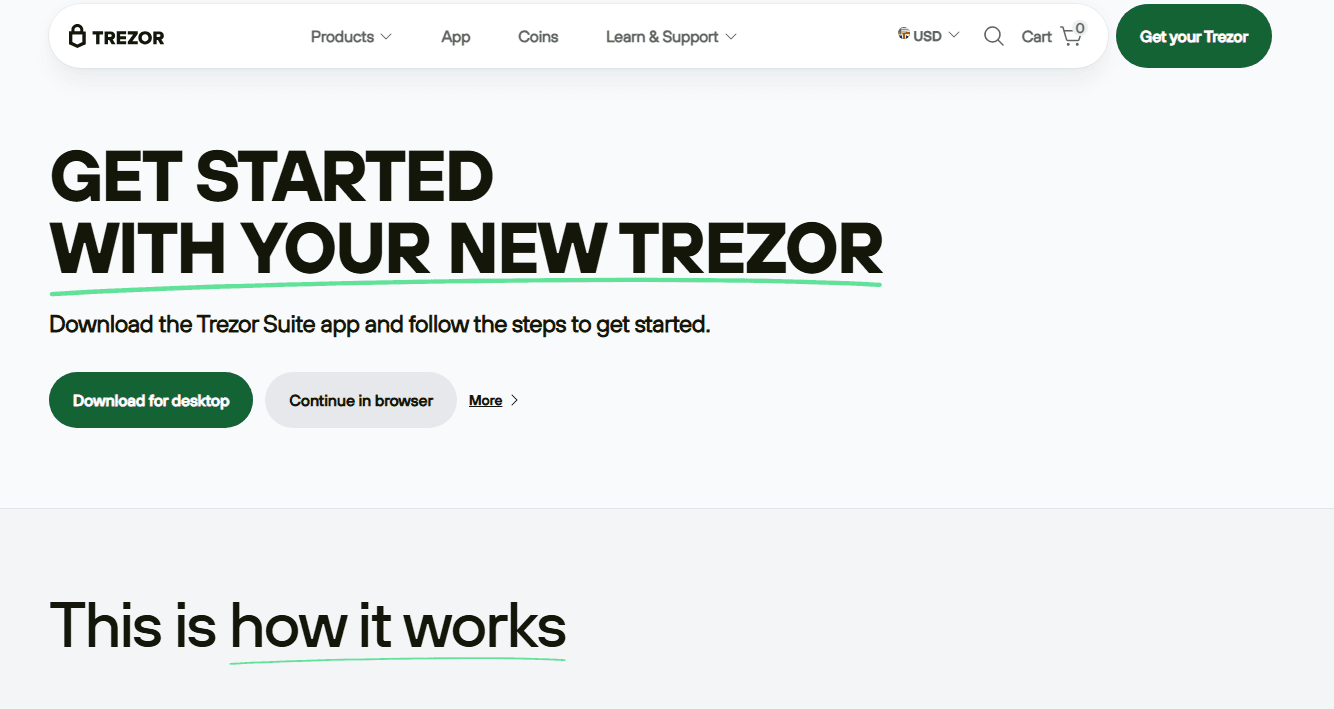
Trezor.io/Start: A Trusted Path to Crypto Asset Protection
Cryptocurrency ownership brings freedom, but it also demands responsibility. Unlike traditional banking, there is no central authority to recover lost funds or reset passwords. This makes security the most important factor when holding digital assets. Hardware wallets are designed to meet this need, and Trezor is one of the most established and reliable brands in the industry. The setup process officially begins at Trezor.io/start, where users are guided through securing their wallet step by step.
This article explores how Trezor.io/start works, why it is essential, and how it helps users protect their cryptocurrencies from the very beginning.
Why Trezor.io/Start Exists
Trezor.io/start was created to ensure that every user initializes their hardware wallet correctly and securely. It acts as a controlled environment that walks users through the setup process while minimizing the risk of mistakes or exposure to malicious software.
Many security issues occur not because of hardware failure, but due to incorrect setup. Using the official start process helps users avoid fake applications, counterfeit firmware, and unsafe wallet configurations.
Getting Ready for the Setup Process
Before starting, users should carefully inspect their Trezor device. A new device should arrive sealed and show no signs of prior use. A wallet that already contains a recovery phrase or preset configuration should never be trusted.
After confirming the device is genuine, it can be connected to a computer or supported mobile device. The setup process is designed to be user-friendly, requiring no advanced technical skills.
Firmware Installation and Security Checks
Firmware is the core software that runs inside the Trezor device. During the first-time setup, users are prompted to install or verify the official firmware version.
This step is important because it:
Confirms the authenticity of the device
Protects against known security vulnerabilities
Ensures access to the latest safety features
Firmware installation is a one-time requirement during setup, but regular updates are recommended to maintain strong protection.
Creating a Wallet Inside the Device
Once firmware installation is complete, the device generates a new wallet. During this step, private keys are created entirely within the hardware wallet. These keys never leave the device and are never exposed to the internet.
This method of offline key generation is what separates hardware wallets from software wallets. Even if the connected computer is infected with malware, the private keys remain safe inside the Trezor device.
Recovery Seed: The Key to Wallet Recovery
One of the most critical moments during setup is the creation of the recovery seed phrase. This phrase is a set of randomly generated words that acts as the master backup for the wallet.
Important rules for handling the recovery seed:
Write it down exactly as shown
Store it in a secure, offline location
Never share it with anyone
If the device is lost, damaged, or stolen, the recovery seed is the only way to restore access to the wallet and its funds.
Strengthening Protection with a PIN
To prevent unauthorized access, users must set a PIN code during setup. This PIN is required every time the device is connected and used.
The PIN provides protection by:
Blocking access if the device is stolen
Preventing unauthorized transactions
Adding an extra security layer beyond the recovery seed
Choosing a strong PIN helps ensure that physical access alone is not enough to compromise the wallet.
Accessing and Managing Digital Assets
After setup is complete, users can begin storing and managing cryptocurrencies. Trezor wallets support a wide variety of digital assets, making them suitable for long-term investors and active users alike.
All transactions must be confirmed directly on the device’s screen. This ensures that no transaction can be approved without the user’s physical confirmation, even if the connected computer is compromised.
Ongoing Safety Practices for Trezor Users
Security does not end after setup. Users should maintain safe habits to protect their assets over time, including:
Keeping the recovery seed private and offline
Installing firmware updates when available
Avoiding untrusted computers or software
Double-checking transaction details on the device
Consistent attention to these practices helps maintain long-term wallet security.
Final Overview
Trezor.io/start is more than just a setup page—it is the foundation of a secure cryptocurrency storage experience. By guiding users through firmware verification, wallet creation, recovery seed backup, and PIN protection, it ensures that assets are protected from the start.