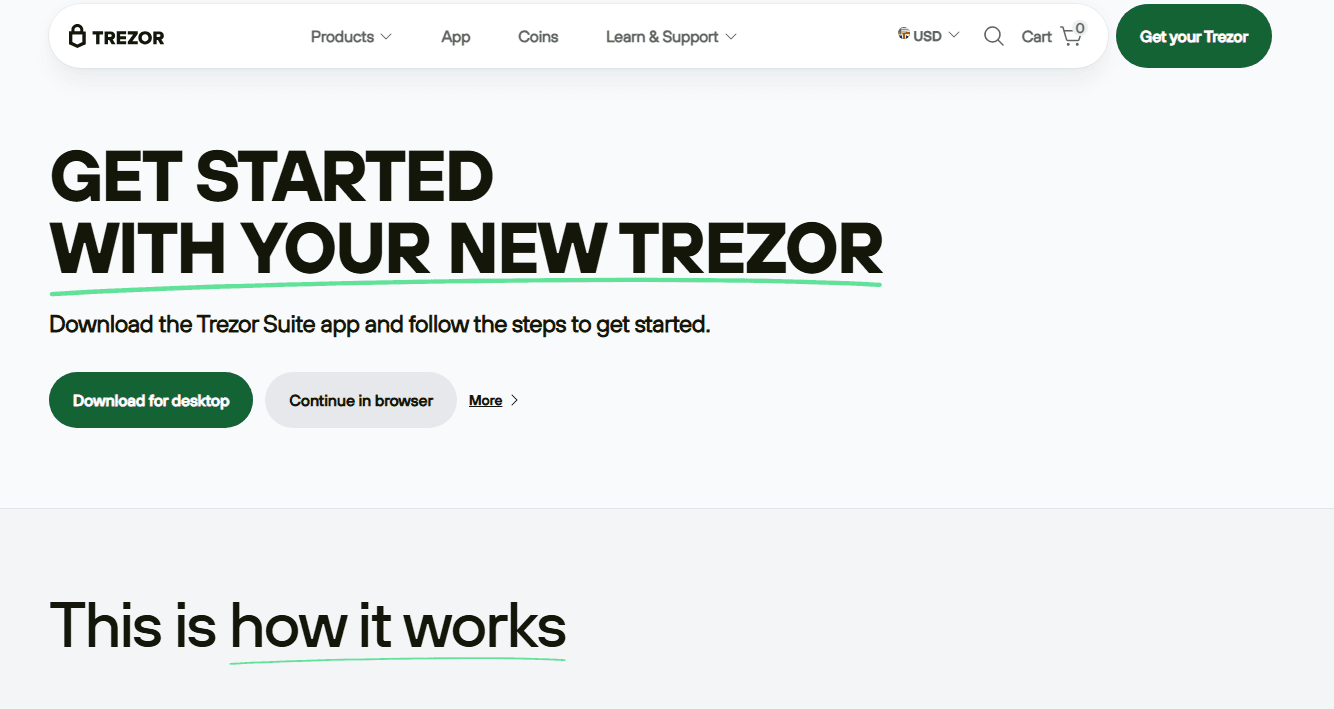
Trezor.io/Start: Securely Begin Your Cryptocurrency Journey
As digital currencies continue to gain popularity, the need for strong security has become more important than ever. Unlike traditional banking systems, cryptocurrencies place full responsibility for asset safety on the user. This is where hardware wallets play a vital role. Trezor, a well-known name in crypto security, offers a reliable solution for protecting digital assets. The setup process begins at Trezor.io/start, which guides users through safely configuring their device from the ground up.
This article explains the importance of Trezor.io/start, how the setup works, and why following the official process is essential for safeguarding cryptocurrencies.
Understanding the Purpose of Trezor.io/Start
Trezor.io/start is designed as the official entry point for initializing a Trezor hardware wallet. Its main goal is to help users complete the setup process correctly while avoiding common security mistakes. From installing device firmware to creating a secure wallet, the platform ensures every step is carried out safely.
By centralizing instructions, Trezor helps users avoid fraudulent setup guides and reduces the risk of compromised wallets caused by incorrect configurations.
Preparing Your Trezor Device for Setup
Before beginning the setup process, it is important to inspect the Trezor device carefully. Authentic devices come sealed and show no signs of tampering. Any unusual packaging damage or pre-configured settings could indicate a security issue.
Once verified, the device can be connected to a compatible computer or mobile device. The setup process does not require advanced technical knowledge, making it accessible to both beginners and experienced users.
Firmware Installation and Device Verification
Firmware is the core software that allows the Trezor wallet to operate securely. During the initial setup, users are guided through installing or confirming the latest firmware version.
This step ensures:
The device is running authentic software
Known vulnerabilities are patched
Security features are fully enabled
Firmware installation is a critical stage, as it confirms that the wallet has not been altered or compromised before use.
Generating a New Wallet Safely
After firmware verification, users proceed to create a new wallet. During this stage, private keys are generated securely inside the hardware device rather than on the connected computer. This offline key generation is what makes hardware wallets significantly safer than software wallets.
At no point are private keys exposed to the internet, ensuring that the user remains the sole owner and controller of their cryptocurrency assets.
Importance of the Recovery Seed Phrase
One of the most important steps in the Trezor.io/start process is backing up the recovery seed phrase. This phrase is a randomly generated set of words that serves as a backup for the wallet.
Key points to remember about the recovery seed:
It allows full recovery of funds if the device is lost or damaged
It should only be written down physically
It must never be shared with anyone
Losing the recovery seed means losing access to funds permanently, making proper storage absolutely essential.
Adding Protection with a PIN Code
To prevent unauthorized physical access, users are prompted to create a PIN code. This PIN is required whenever the device is connected and used, adding another layer of protection.
Benefits of using a PIN include:
Protection against theft
Prevention of unauthorized transactions
Increased security even if the device falls into the wrong hands
A strong PIN works together with the recovery seed to keep assets safe.
Using the Wallet After Setup
Once setup is complete, users can start managing their digital assets. The Trezor wallet supports many popular cryptocurrencies and allows users to securely send, receive, and store funds.
All transactions must be confirmed on the hardware device itself, ensuring that no action is taken without the user’s direct approval. This physical confirmation significantly reduces the risk of remote attacks.
Best Practices for Long-Term Security
To maintain security over time, users should follow recommended practices such as:
Keeping recovery phrases offline and secure
Regularly updating firmware
Avoiding suspicious software or unknown devices
Using the wallet only on trusted systems
Consistently following these practices helps protect assets from both digital and physical threats.
Final Thoughts
Trezor.io/start provides a secure and structured way to set up a Trezor hardware wallet. By following the official process, users ensure their wallet is configured correctly and protected from common security risks.