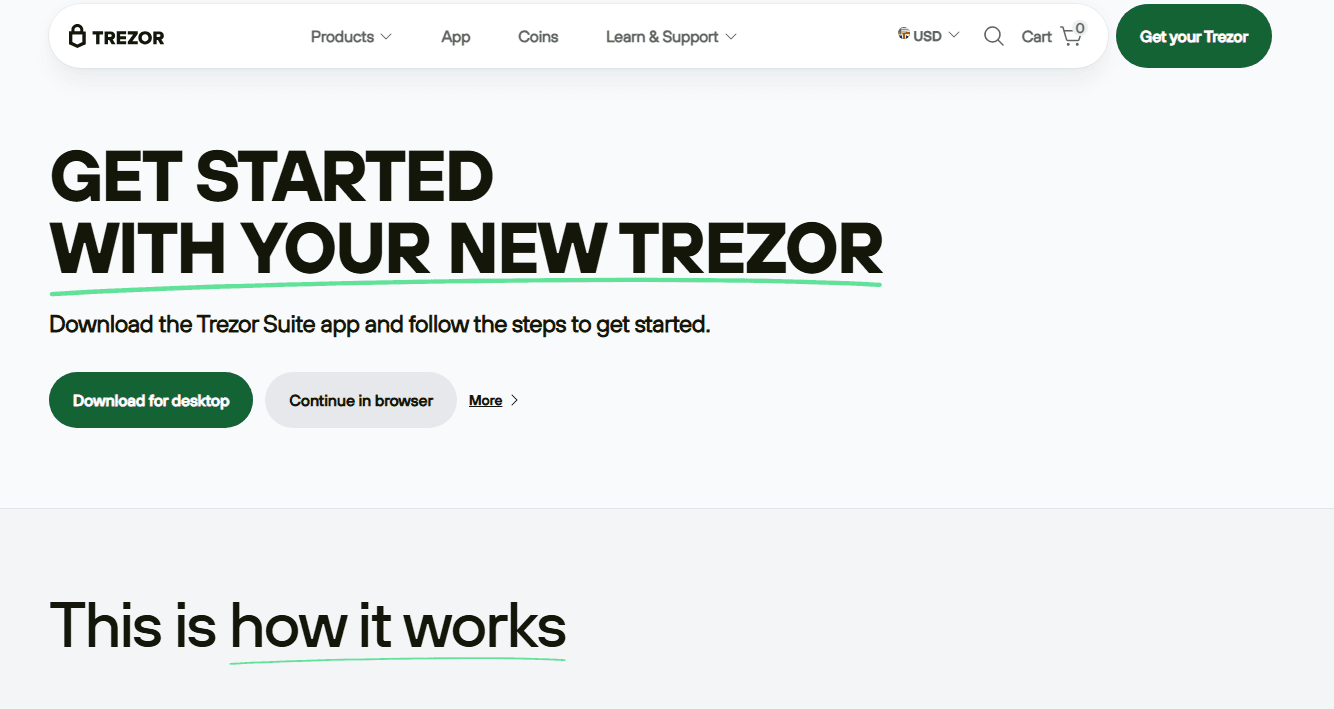
Trezor.io/Start: A Complete Guide to Setting Up Your Trezor Hardware Wallet
In the rapidly evolving world of cryptocurrency, security remains one of the most critical concerns for investors and users. Hardware wallets have become the gold standard for protecting digital assets, and Trezor stands out as one of the most trusted names in the industry. The official setup process begins at Trezor.io/start, which serves as the starting point for configuring and securing your Trezor hardware wallet.
This guide explains what Trezor.io/start is, why it matters, and how users can safely set up their device to protect their crypto holdings.
What Is Trezor.io/Start?
Trezor.io/start is the official onboarding platform created by Trezor to help users initialize their hardware wallet correctly. It provides clear instructions for installing firmware, creating a wallet, backing up recovery phrases, and managing digital assets securely.
The purpose of this setup page is to ensure that every Trezor device is configured safely from the very beginning, minimizing risks such as phishing attacks, malware exposure, or improper wallet initialization.
Why Using the Official Setup Process Is Important
Using the correct setup method is crucial when dealing with cryptocurrencies. A hardware wallet protects private keys offline, but improper setup can still expose users to risks.
The official Trezor setup process ensures:
Authentic firmware installation
Secure generation of private keys
Proper backup of recovery phrases
Protection against counterfeit or tampered devices
By following the instructions provided at Trezor.io/start, users significantly reduce the chances of losing access to their funds or falling victim to scams.
Unboxing and Initial Device Check
Before beginning the setup process, users should carefully inspect their Trezor device and packaging. A genuine Trezor wallet comes sealed and untampered. Any signs of damage, broken seals, or pre-installed firmware should be treated as a warning.
Once verified, the device can be connected to a computer or supported mobile device to begin the initialization process.
Installing and Verifying Firmware
Most new Trezor devices require firmware installation during the first setup. Firmware is the core software that enables the device to function securely.
During this step:
The user installs the latest firmware version
The device verifies the authenticity of the software
Security checks ensure no unauthorized code is present
This step ensures the hardware wallet operates with the latest security enhancements and bug fixes.
Creating a New Wallet
After firmware installation, users are prompted to create a new wallet. This is where the private keys are generated securely inside the hardware device.
Key points of this step include:
Keys are generated offline
No private data is shared with the computer
The user remains in full control of their assets
This process ensures that only the wallet owner has access to the cryptographic keys controlling their funds.
Recovery Seed Backup: The Most Critical Step
One of the most important parts of the Trezor.io/start process is writing down the recovery seed phrase. This phrase usually consists of 12, 18, or 24 words generated by the device.
Why the recovery seed matters:
It is the only way to recover funds if the device is lost or damaged
Anyone with the phrase can access the wallet
It should never be stored digitally or shared
Users are strongly advised to write the phrase on paper and store it in a secure, offline location.
Setting a PIN for Additional Security
To protect the device from unauthorized physical access, users must set a PIN code. This PIN is required every time the device is connected and used.
Benefits of a PIN:
Prevents unauthorized access if the device is stolen
Increases security without exposing private keys
Works alongside the recovery seed for full protection
A strong and unique PIN enhances overall wallet security.
Managing Cryptocurrencies After Setup
Once setup is complete, users can begin managing their cryptocurrencies. Trezor wallets support a wide range of digital assets, including Bitcoin, Ethereum, and many other popular coins and tokens.
With the wallet configured, users can:
Send and receive crypto securely
View balances
Confirm transactions on the device screen
Integrate with supported third-party applications
All transactions must be physically confirmed on the Trezor device, adding an extra layer of protection.
Best Security Practices for Trezor Users
To maintain long-term security, users should follow best practices such as:
Never sharing the recovery seed
Keeping firmware updated
Avoiding suspicious software or fake setup pages
Using the device only on trusted computers
These practices help ensure that the wallet remains secure even as threats evolve.
Conclusion
Trezor.io/start plays a vital role in helping users securely set up their Trezor hardware wallet. By guiding users through firmware installation, wallet creation, recovery seed backup, and security configuration, it ensures a safe foundation for managing digital assets.